The latest amendments to the Credit Institutions Act introduce important changes to the regulatory framework for banks, further integrating anti-money laundering and counter-terrorist financing requirements into prudential supervision
The latest amendments to the Credit Institutions Act, published in State Gazette No. 60 of 24 July 2026, introduce important changes to the regulatory framework for banks, further integrating anti-money laundering (AML) and counter-terrorist financing (CTF) requirements into prudential supervision.
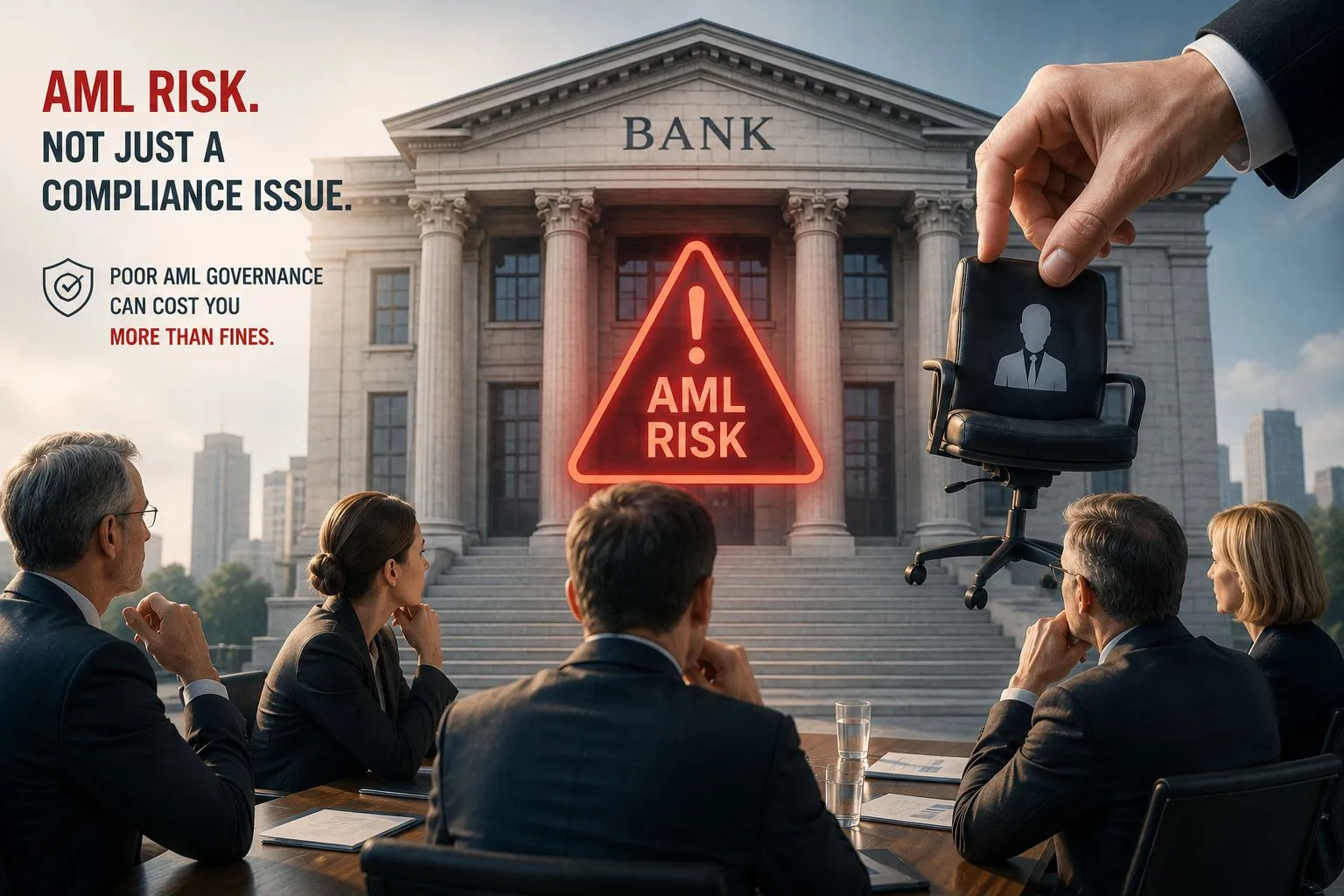
The amendments reflect an increasingly visible European regulatory trend: AML risk is no longer viewed solely as a compliance issue but as a governance and prudential risk capable of affecting the stability and sound management of financial institutions.
Among the key changes are:
Perhaps the most significant practical development is the new supervisory power allowing the BNB to require changes to the composition of a bank's management body where money laundering or terrorist financing risks affect the institution's sound and prudent management. This demonstrates that shortcomings in AML governance may now have direct consequences at board level.
What does this mean in practice?
The amendments reinforce the expectation that AML compliance should be embedded in the institution's governance framework rather than operate as a standalone control function. Financial institutions should review whether their governance arrangements enable senior management and boards to exercise effective oversight of AML risks.
In particular, banks and other regulated financial institutions should assess:
The legislative changes confirm that effective AML governance is becoming an essential element of prudential supervision. Institutions that proactively strengthen their governance and risk management frameworks will be better positioned to meet increasing regulatory expectations and reduce supervisory risk.
DPC's Financial Regulatory team advises banks, payment institutions, fintech companies and other obliged entities on AML and sanctions compliance, governance frameworks, regulatory investigations and cross-border compliance matters.